12 unwritten rules of Swiss life
2 min readLast checked: November 2026

The short version
Switzerland runs on a set of quiet rules nobody explains to you, until a neighbour does. Here are the twelve you’ll meet first.
- Greet people. Say hello when you enter a small shop, a lift or a waiting room, and greet other hikers on mountain trails. “Grüezi” in German-speaking regions, “Bonjour” in French-speaking ones.
- Be on time. Punctuality is a sign of respect, for meetings, dinners and doctor’s appointments. If you’re late, let people know.
- Respect quiet times. Evenings, Sundays and public holidays are quiet times in most buildings. No drilling, no loud music, no vacuuming late at night.
- Follow the laundry room schedule. The shared laundry room has a plan. Use your slot, clean the filter and leave it tidy.
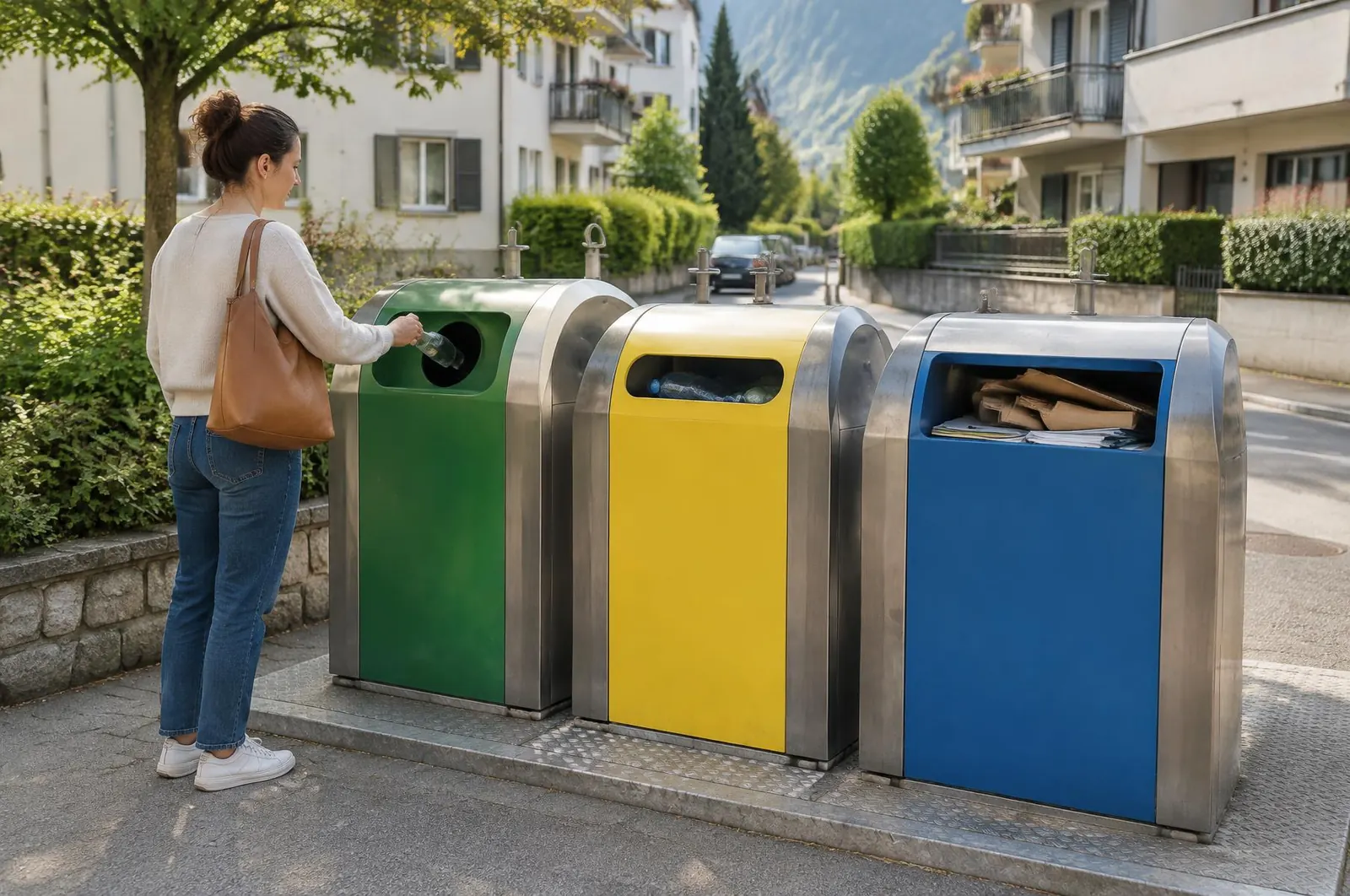
- Separate your waste. Glass, PET, paper and cardboard each have their place. Use official bags for household waste.
- Formal first, then informal. In German-speaking Switzerland, use the formal “Sie” with people you don’t know until they offer “du”. At work, many teams switch quickly; follow their lead.
- Three kisses among friends. In many regions, friends greet each other with three kisses on the cheek. With colleagues and new acquaintances, a handshake with eye contact is the norm.
- Look people in the eye when toasting. Say “Prost” or “Santé”, make eye contact with each person and clink glasses.
- Wish a good meal. Before eating together, people say “En Guete” or “Bon appétit”. Wait until everyone is served.
- Bring something when invited. A small gift for the host, like flowers, chocolate or a bottle of wine, is appreciated. Arrive on time, not “fashionably late”.
- Cross at the crossing. Use pedestrian crossings and wait for green, especially with children watching.
- Give friendships time. Swiss people can seem reserved at first. Friendships often grow slowly through shared activities, but they tend to last.
Local tip
When in doubt, observe your neighbours for a week. Most rules become obvious quickly, and people appreciate the effort.
Related tasks
Sources and last update
Last checked: November 2026
- Practical guidance by firstweeks.
firstweeks provides general information, not legal or tax advice. Rules can change. Always check with the responsible authority.